
TZ11- Timezone - Driving Through Lost Nation
Timezone was happening. We went back into Humboldt Records to record another new song, Iowa-Lost Nation, and I booked two solid months of market research to generate more funding for the project.

This is Chapter 11 of a series of stories about how the Timezone Music Project evolved during a decade long pursuit of an international music collaboration between musicians from Kiev, Moscow and Humboldt County, California - 1982-1992.
June of 1991 was the first time that Joyce, Robby and Gary or anybody in Timezone West had heard actual recordings from Timezone East, even though it was only a cassette recording from the May MDM sessions in Moscow. After hearing the results, Robby planned another round of Timezone recording sessions at Humboldt Records for July. We still hadn’t decided how to resolve the 8-track vs. 24-track conundrum.
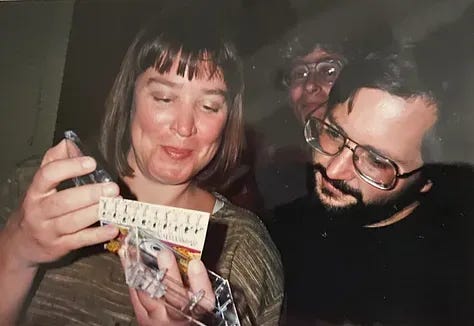
Joyce listened to those first cassette tracks coming from Moscow and, looking back, said, “When you started taking the tapes (to Moscow) and then bringing them back with the Russians on them, that became real for me. Okay … this really is going to happen!”
Driving Through Lost Nation
In July, Joyce, Gary, Robby and I laid down more tracks for Journey To The Red Planet (see TZ10) and a new song, Iowa-Lost Nation.
Joyce and I collaborated on Lost Nation, a polyrhythmic time signature where Joyce shaped the arrangement, melody, phrasing, and later the harmonies. My guitar had a looping Soukous influenced part that echoed behind the vocals.
Lyrics for Lost Nation had emerged after my business trips into Iowa, researching agricultural supply chains, driving across the Midwest, visiting factories, farms, and the 1990 Farm Progress Show in Amana, Iowa, which drew 300,000 people.
I’d gone to that farm show just a couple weeks after getting home from my August trip to Moscow after running into Kostya and Alyans at the Helsinki Rail Station in that epic moment. Timezone was ringing in my ears as I drove across Iowa.
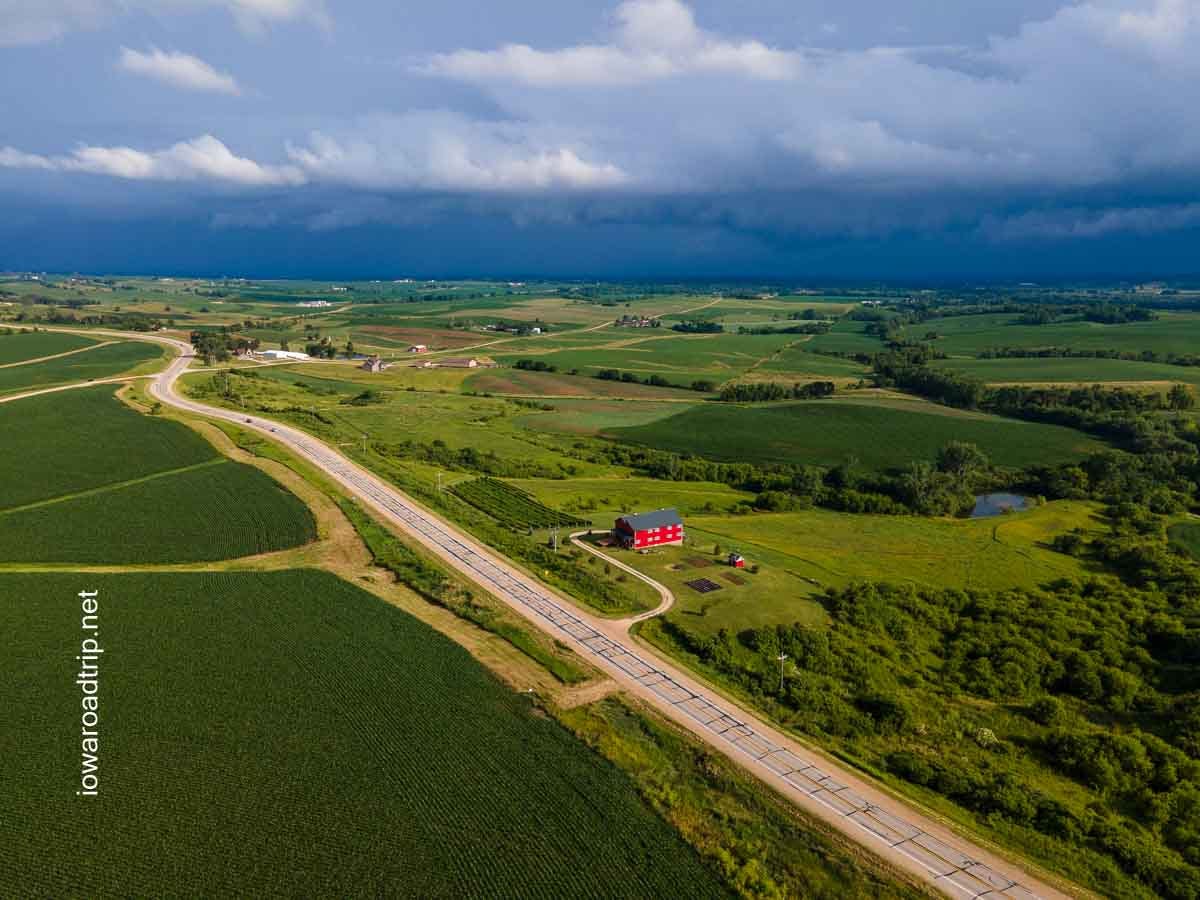
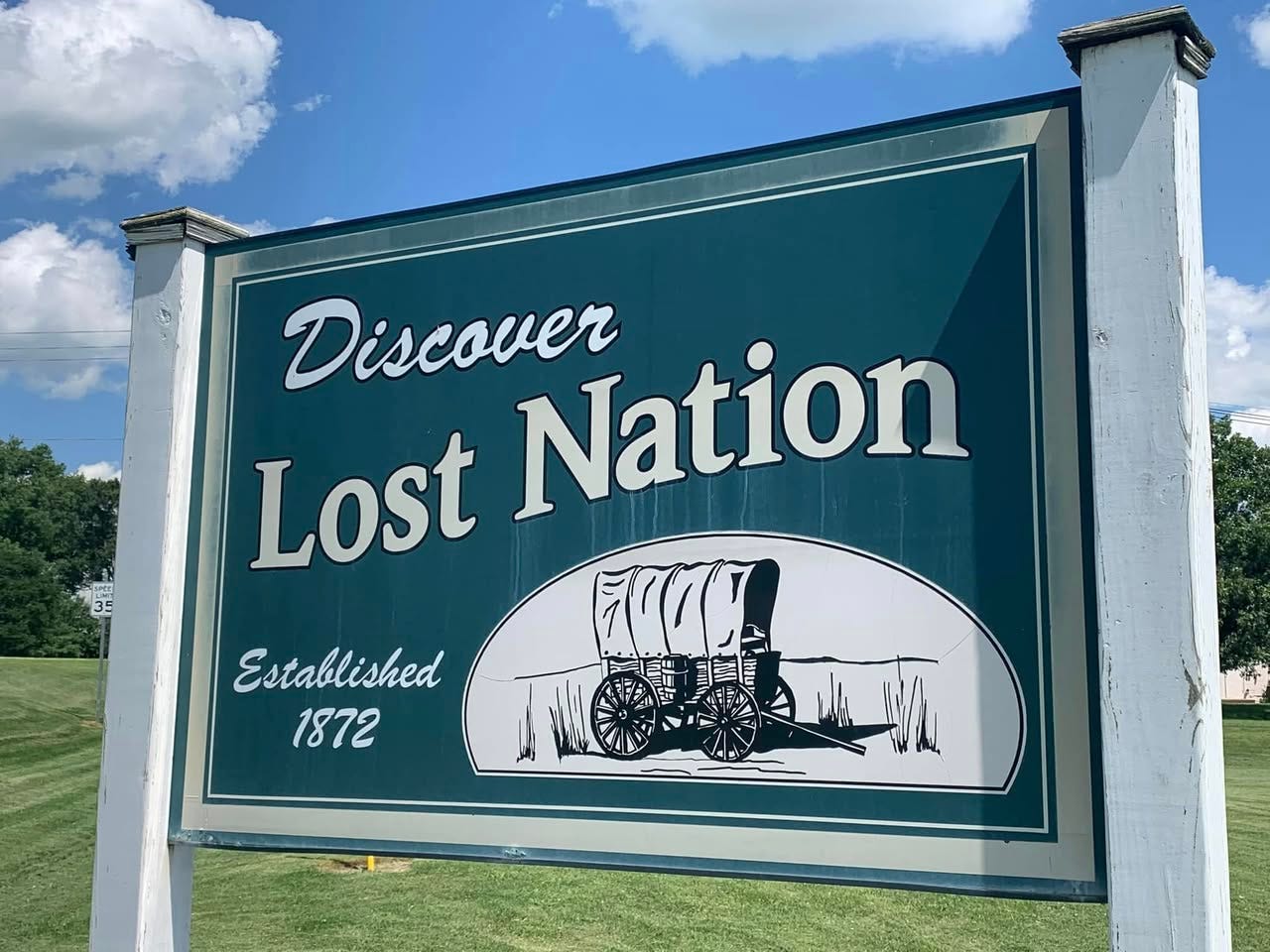
During that trip to Farm Progress, I’d driven past all these Iowa towns and rivers with Native American names, like Atalissa, Okoboji, Waukon, Waupeton, Decorah, etc … and one small town in particular, Lost Nation, in Eastern Iowa, near the Mississsippi River, that seemed to sum it all up.
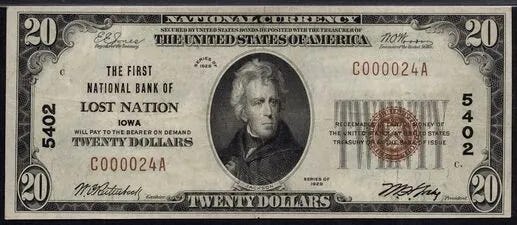
It was a farming town of about 300-400 people, about the same size as Trinidad area where I lived. Historically, in 1929, The First National Bank of Lost Nation, Iowa had issued a $20 bill as national currency. That bank was long gone by 1990, but the town was still there.
The song title, Lost Nation, crystallized in my mind later, driving on Interstate-80 outside of Des Moines, Iowa, when a semi-truck and trailer came up along side, and hovered there, with Lost Nation, Iowa, graphically printed on it’s doors, right outside my driver’s window. It was a message.
The Lost Nation Song
“… I’m tuning the world on my car radio, traveling backcountry Iowa Roads
Highway map lying on the seat, place names like Tama and Powesheik
Next road sign says Lost Nation ahead, and I’m thinking Potsherds and Arrowheads
Thought I heard the voice of Osceola, a vanished cry centuries old
But it was just a radio evangelist, his civilization falling in the abyss
Another sign he says, Lost Nation ahead, and I’m thinking potsherds and arrowheads
Waukon, Oskaloosa, where’s Osceola? Waubonsie, early day, thunder at Decorah
Waukon, Atillisa, where’s Osceola? Waubonsie, Okoboji and The Rivers Wyaconda?
Driving through Lost Nation …”
The Timezone album would later be titled, Lost Nations.
Funding Timezone
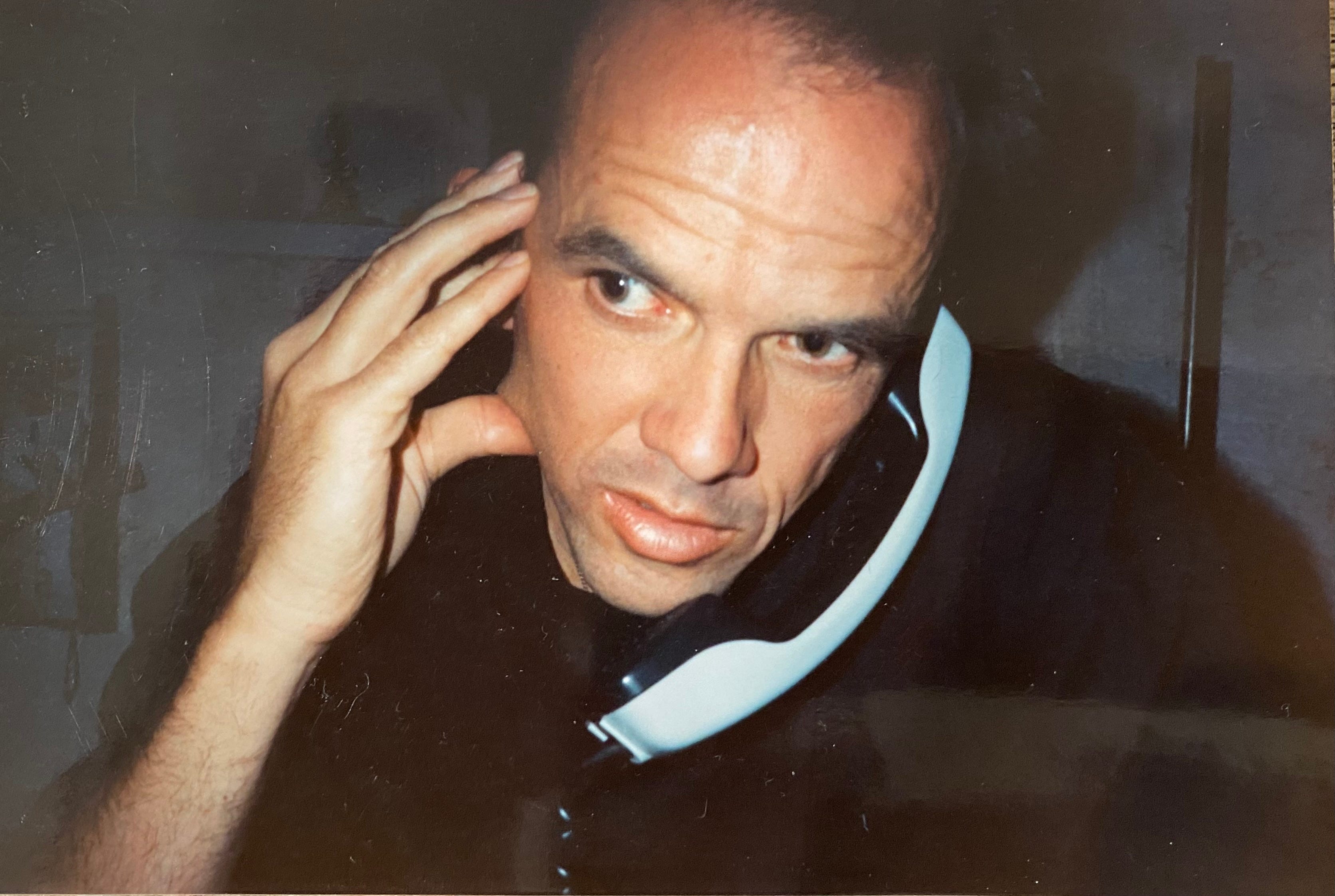
I plunged back into my business writing in June and July of 1991 to generate money to support the Timezone Project. That summer push required being on the phone a lot, often from dawn to dusk, interviewing supply chain sources across the country, and issuing reports. I’d start with the Eastern Timezone and call West during the day, talking with supply chain execs, senior buyers and distributors across industries.
I’d play my guitar late into the night in that same home office where I was conducting industry interviews. I’d flip on a tape deck or drum machine and go into a musical zone, staring at the walls, or at the night sky over the ocean, repeating the cyclical rhythms for hours that were bubbling up from Timezone.
The Incredible Fax Machine
While Timezone was facing a dilemma with incompatible reel to reel systems, the communications between Oxana and I were opening up. I had more regular contact with her via fax that summer than previously.
Before, it was periodic letters and post cards. Nobody had emails that I knew in the USSR in 1990 and 1991 and in the US we were just starting to use AOL (You’ve Got Mail) and Compuserve with dial up modems.
The fax machine was one of the most sophisticated communication devices out there at the time, especially in business connections.
In May, Oxana had given me the fax number in the telecomm room at Literaturnaya Gazeta newspaper in Moscow where she worked. We planned a regular rendezvous every other Wednesday at 12 noon Moscow time; she’d be at the fax machine at the newspaper, and I would be at the fax machine in my home office-studio, at 11pm, the previous night in the Pacific Timezone.
It was amazing to be in rural Humboldt County at Moonstone Beach, near Trinidad Bay, feeding a letter into the fax machine while Oxana stood on the other side of the world, 11 timezones away, in downtown Moscow, receiving the letter real time. Then she would send her letter back to me in seconds, to Moonstone Beach.
Two Months Later
Over the summer, political changes continued to rock the USSR. The Baltic Republics were getting restless. Germany was moving toward reunification. Timezone had become a tiny vessel, awash inside an enormous wave of transformation, with a very buoyant experience so far, but charting into an uncertain future.
When I finally flew back to Moscow in August, there was a wind at my back. We’d completed another recording session at Humboldt Records and the market reports made deadline, generating enough money for the next phase of Timezone.
One of Oxana’s friends had arranged a private apartment in downtown Moscow. Getting private home stay visas had cut out the costs of Soviet Intourist hotels, which were a major expense on the earlier trips. Instead of saving for a year or two like my prior trips, I booked the return to Moscow in 60 days, carrying a Fender electric guitar for Alyans, several digital sound effect boxes for Kostya and the band, and other gifts.
That gear would be carried across the Soviet border in August, without a problem.
jhg - 1991
Special thanks to Joyce, Kostya, and Alexander who contributed to this chapter.